
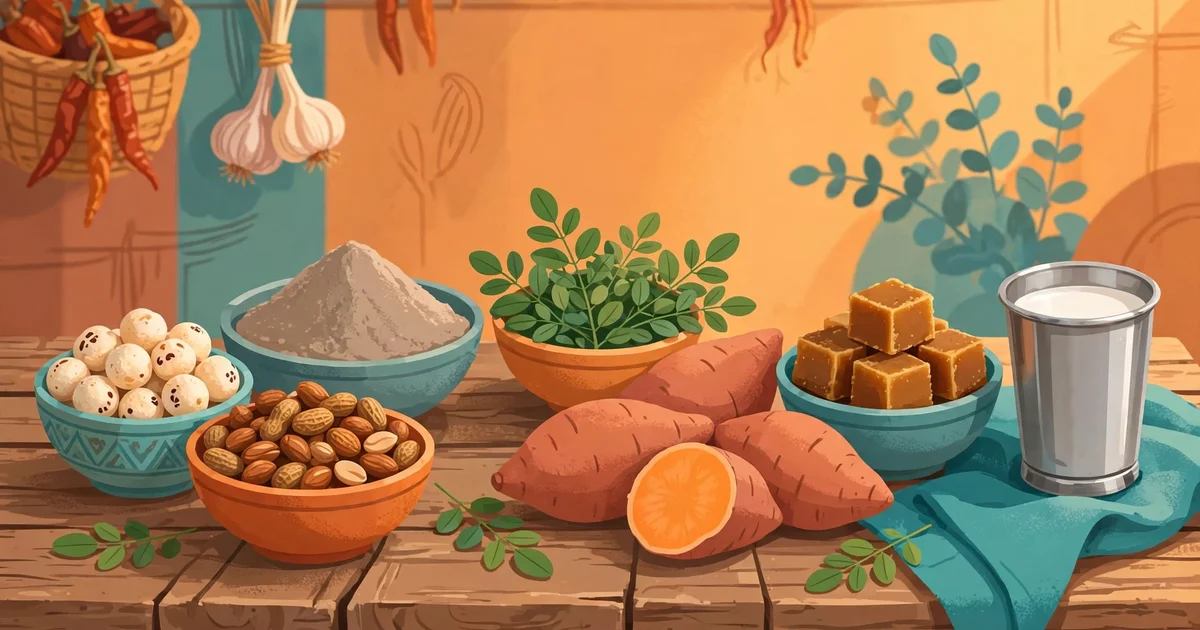
The simple answer is: yes — with local millets, peanuts, besan (gram flour), and seasonal vegetables, you can cook Low-Cost Nutritious Recipes at your Anganwadi Centre that meet children’s protein, energy, and micronutrient needs for roughly Rs. 5–8 per serving. This guide gives you 10 such recipes.
Under Poshan 2.0, revised SNP norms judge meals on diet diversity — protein, healthy fats, micronutrients — not just calories. India’s traditional foods are full of cheap nutrition powerhouses: groundnuts, millets, moringa, sattu.
In this article, you will understand:
- What makes a recipe nutritious under the revised SNP norms
- 10 low-cost recipes with ingredients, steps, and per-child cost
- Smart ingredient swaps that cut cost without losing nutrition
- Hygiene rules and age-wise serving sizes for centre cooking
Why Low-Cost Recipes Matter
SNP budgets are fixed per child per day (roughly Rs. 8). Your challenge: turn that into a meal with energy, protein, and micronutrients. Low-cost recipes fit the budget, use local ingredients mothers can copy at home, and reduce waste.
Revised SNP guidelines recognise hot cooked meals and mandate menu boards — proven, costed recipes are now part of the job. The bottom line: cheap, local, tasty — pick all three.
What Makes a Recipe “Poshan-Friendly”?
A Poshan-friendly recipe combines food groups so one serving delivers: energy (cereals, millets, tubers), protein (pulses, peanuts, besan, soya, milk, eggs where permitted), healthy fats (a spoon of oil or groundnuts — needed to absorb vitamins A, D, E, K), and micronutrients (iron and vitamin A from greens like moringa; vitamin C from lemon, which boosts iron absorption; calcium from ragi, sesame, or milk).
The golden rule is combination: cereal + pulse or millet + milk + jaggery — see the revised ICMR dietary guidelines for Indians. The bottom line: combine food groups — no single ingredient does it all.
The 6 Building Blocks of an Anganwadi Pantry
- Cereals & millets: rice, ragi flour, bajra, wheat flour.
- Pulses & legumes: moong dal, chana dal, besan, peanuts, soya granules.
- Energy boosters: jaggery, oil, small quantities of ghee.
- Milk: even 50 ml per child transforms porridges and kheers.
- Vegetables: seasonal greens (moringa, spinach, methi), carrots, pumpkin, tomatoes.
- Flavour & micronutrients: lemon, turmeric, cumin, sesame seeds, makhana.
Buy seasonal vegetables in bulk on market day; store dry goods airtight. The bottom line: stock the six blocks once, cook varied meals all month.
10 Low-Cost Nutritious Recipes Every Anganwadi Worker Should Know
Each recipe serves one child, uses local ingredients, and takes under 30 minutes. Costs are approximate.
1. Makhana Kheer
Ingredients: 20 g makhana, 150 ml milk, 1 tsp jaggery, cardamom. Method: roast makhana crisp, crush, simmer in milk 8–10 minutes, sweeten with jaggery. Why: minerals plus milk protein and calcium. Cost: ~Rs. 8.
2. Vegetable-Peanut Poha
Ingredients: 40 g poha, 15 g roasted peanuts, carrot, peas, onion, turmeric, lemon, 1 tsp oil. Method: rinse poha; temper spices, sauté vegetables, toss in poha, peanuts, and lemon. Why: cereal-peanut protein, vitamin A, and vitamin C for iron absorption. Cost: ~Rs. 6.
3. Moringa Cookies
Ingredients: 30 g wheat flour, 1 tbsp dried moringa leaf powder, 1 tsp jaggery, 1 tsp oil. Method: make a stiff dough, shape discs, bake or tawa-cook till crisp. Why: moringa is rich in iron, vitamin A, and calcium. Cost: ~Rs. 5.
4. Besan-Peanut Laddoos
Ingredients: 25 g besan, 15 g peanut powder, 1.5 tsp jaggery, 1 tsp ghee, cardamom. Method: roast besan in ghee, mix in peanut powder and powdered jaggery, shape laddoos warm. Why: strong protein-energy combo for underweight children. Cost: ~Rs. 7.
5. Ragi Porridge with Jaggery
Ingredients: 30 g ragi flour, 150 ml water/milk, 1.5 tsp jaggery. Method: mix flour lump-free in cold water, cook stirring till thick, sweeten. Why: exceptional calcium, plus iron and fibre for growing bones. Cost: ~Rs. 6.
6. Sattu Energy Drink
Ingredients: 25 g sattu, 150 ml water, 1 tsp jaggery, lemon, pinch of salt. Method: whisk sattu into water with the rest; serve cool. Why: cheap protein, perfect for hot afternoons and fussy eaters. Cost: ~Rs. 5.
7. Dal-Vegetable Khichdi
Ingredients: 30 g rice, 20 g moong dal, seasonal vegetables, turmeric, 1 tsp oil/ghee. Method: pressure-cook till soft; mash for younger children. Why: classic cereal-pulse complete protein. Cost: ~Rs. 7.
8. Peanut Chikki
Ingredients: 20 g peanuts, 1.5 tsp jaggery. Method: melt jaggery, stir in peanuts, spread thin, cut warm. Why: energy-dense with long shelf life — batch weekly. Cost: ~Rs. 6.
9. Sprouted Moong Chaat
Ingredients: 30 g sprouted moong, tomato, onion, lemon, salt. Method: steam sprouts 5 minutes, toss with vegetables and lemon. Why: sprouting multiplies vitamins — free nutrition. Cost: ~Rs. 5.
10. Sweet Potato Halwa
Ingredients: 80 g boiled sweet potato, 100 ml milk, 1 tsp jaggery, 1 tsp ghee. Method: mash, cook with milk and ghee till thick, sweeten. Why: rich in vitamin A for eyesight and immunity. Cost: ~Rs. 7.
All 10 Recipes at a Glance
| Recipe | Star Nutrient | Cost/Child | Best For |
|---|---|---|---|
| Makhana kheer | Calcium, protein | Rs. 8 | Morning snack |
| Vegetable-peanut poha | Vitamin A, protein | Rs. 6 | Breakfast |
| Moringa cookies | Iron, vitamin A | Rs. 6 | Young children |
| Sattu drink | Protein | Rs. 5 | Hot days |
| Dal-vegetable khichdi | Complete protein | Rs. 7 | Hot cooked meal |
| Peanut chikki | Energy, protein | Rs. 6 | Weekly batch |
| Sprouted moong chaat | Vitamin C, protein | Rs. 5 | Evening snack |
| Sweet potato halwa | Vitamin A, energy | Rs. 7 | Dessert |
👉 Key takeaway: every recipe stays under Rs. 8 per child — SNP norms are achievable on budget.
Smart Swaps: Cheaper Without Losing Nutrition
- Sugar → jaggery: similar cost, but jaggery retains some iron and minerals.
- Rice → millets: often cheaper locally, with far more calcium and iron.
- Cashews/almonds → peanuts: comparable protein at a fraction of the price.
- Off-season veg → seasonal greens: in-season moringa and spinach cost almost nothing.
- Full-cream milk → toned milk + peanut powder: stretches the budget, keeps protein up.
- Fried → roasted: roasted snacks use less oil — cheaper and healthier.
The bottom line: swap expensive for local, refined for whole — nutrition rises as cost falls.
Hygiene Rules for Centre Cooking
- Wash hands with soap before cooking and serving; keep nails short, hair tied.
- Wash all produce in clean running water; peel where possible.
- Use safe water — boiled or filtered if the supply is doubtful.
- Cook thoroughly — dals, eggs (where served), and sprouts fully done, never half-cooked.
- Serve fresh and hot — within 2 hours of cooking, never longer at room temperature.
- Clean equipment daily — scrub and sun-dry utensils when possible.
The bottom line: clean hands, clean water, full cooking, fresh serving.
Serving Sizes by Age Group
- 6–12 months: 2–3 tablespoons per meal, mashed; 2–3 meals plus breastfeeding.
- 1–2 years: half a katori per meal; 3 meals + 1–2 snacks.
- 2–3 years: three-quarters katori per meal; 3 meals + 2 snacks.
- 3–6 years: one full katori per meal; 3 meals + 2 snacks.
- Pregnant/lactating mothers: larger portions with extra protein, plus THR as per norms.
A recovering or underweight child needs extra servings per your supervisor’s guidance. The bottom line: portion by age, adjust by need.
Involving Mothers: Monthly Recipe Demos
Hold a monthly demonstration — during a Community Based Event — cooking one recipe live for mothers to taste. Announce the per-child cost aloud.
When mothers see nutritious food costing Rs. 5–8, “healthy food is expensive” collapses. The bottom line: demo one recipe monthly.
A Note on Allergies and Safety
Peanut and milk allergies exist — ask about known allergies before introducing peanut- or milk-based recipes, and introduce new foods one at a time. For SAM (Severe Acute Malnutrition) or medical conditions, follow your supervisor’s and the health centre’s guidance. The bottom line: ask about allergies first.
FAQs
What are the cheapest protein sources for Anganwadi meals?
Peanuts, besan, sattu, moong dal, and soya granules give the most protein per rupee; pairing any pulse with a cereal improves protein quality.
How much should one SNP meal cost per child?
All 10 recipes here cost roughly Rs. 5–8 per child — actual costs vary by state, season, and market.
Can pregnant women eat these recipes too?
Yes — serve larger portions with extra protein, alongside the THR entitlement under SNP norms.
What if children refuse a new recipe?
Introduce it gradually beside a familiar dish, keep textures soft, and let mothers taste it first at a demonstration.
Do these recipes meet Poshan 2.0 SNP norms?
They follow the norms’ diet-diversity principle — each combines cereals/millets, protein, fats, and micronutrient-rich vegetables — though exact compliance depends on portions and state menu guidelines.
Conclusion
Low-cost nutritious cooking is about combination: cereal + pulse, groundnuts, greens, jaggery — SNP-friendly meals at Rs. 5–8 per child and a full rotation for your menu board.
Stock the pantry blocks, keep hygiene non-negotiable, portion by age, and demo one recipe monthly — budget ingredients become visible, measurable growth.