

The simple answer is: Poshan Pakhwada Entry means recording the nutrition-awareness activities your Anganwadi Centre conducts during Poshan Maah (the September nutrition month) and Poshan Pakhwada (the March–April nutrition fortnight) into the Poshan Tracker app — event dates, themes, and participant counts — so your work is officially counted.
Every year, lakhs of Anganwadi workers organise events during these campaigns. But an unentered activity officially never happened — correct, on-time entry protects your centre’s record and feeds the national dashboard.
In this article, you will understand:
- What Poshan Maah and Poshan Pakhwada are, with 2026 themes and dates
- Exactly which activities need Poshan Pakhwada Entry on Poshan Tracker
- Step-by-step entry instructions for both campaigns
- Common errors, verification checks, and missed-deadline fixes
What Are Poshan Maah and Poshan Pakhwada?
Poshan Maah (National Nutrition Month) is observed every September. The 9th edition in 2026 was launched on 9th September in Varanasi with the theme “Hamari Anganwadi, Hamari Jimmedari” (Our Anganwadi, Our Responsibility), focusing on dietary diversity, hot cooked meals, community ownership, early stimulation, and 10 years of PMMVY (Pradhan Mantri Matru Vandana Yojana).
Poshan Pakhwada (Nutrition Fortnight) runs 15 days in March–April. The 8th edition ran 9–23 April 2026 themed “Maximizing Brain Development in the First Six Years of Life” — maternal-child nutrition, early stimulation, play-based learning, less screen time, stronger centres. Both run as Jan Andolan (people’s movement) with Anganwadi workers, ASHAs (Accredited Social Health Activists), ANMs (Auxiliary Nurse Midwives), self-help groups, and panchayats. The bottom line: Maah in September, Pakhwada in March–April.
Why Does Activity Entry Matter?
- Official credit: only entered activities count in centre and district reports.
- National dashboard: entries feed state and national dashboards — over 150 crore sensitisation activities logged since Poshan Abhiyaan began in 2018.
- Your appraisal: supervisors review campaign entries when assessing performance.
- Better planning: data shows which activities draw crowds, improving next year’s campaign.
The bottom line: unentered work is invisible work — entry completes the job.
What Is Poshan Pakhwada Entry, Exactly?
Poshan Pakhwada Entry is logging each campaign activity into the Poshan Tracker app under the relevant event modules:
- VHSND events: enter the event date and number of participants.
- CBE (Community Based Events): enter event dates and themes — e.g. inviting women in the 1st/2nd trimester, Annaprasan Diwas, Suposhan Diwas, preschool readiness, public health messaging.
- Sensitisation activities: awareness sessions, home visits, Poshan Melas, and counselling drives go under the Jan Andolan section.
Note: all Anganwadi workers must conduct two Community Based Events every month as routine — campaign events are additional, each needing its own entry. The bottom line: date + participants for VHSND, date + theme for CBE.
Which Activities Need Poshan Pakhwada Entry?
Enter every campaign activity: home-visit counselling rounds, Poshan Melas and food demonstrations, growth-monitoring sessions, Annaprasan and Suposhan Diwas celebrations, parent meetings on caregiving and screen time, centre-improvement drives (cleanliness, Poshan Vatika), and convergence activities with ASHA, ANM, and SHGs.
When in doubt, enter it — an extra entry can be corrected; a missing one can’t be reconstructed from memory weeks later. 👉 Running a growth-monitoring stall at your Poshan Mela? Use the free online calculator for instant checks. The bottom line: if the community gathered for nutrition, it belongs in the app.
Where Do You Enter Activities?
All Poshan Pakhwada Entry records go into the Poshan Tracker app on your registered mobile number — the same app used for attendance, growth monitoring, and THR (Take-Home Ration) distribution. Campaign entries live in the event modules, not beneficiary profiles.
Before the campaign: update the app (campaign modules are often refreshed), test your OTP login a week early, and learn the module layout in case an update moved things. Entries sync when internet is available; don’t clear app data before syncing completes. The bottom line: updated app, tested login — before the campaign rush.
Step-by-Step: Entering a Poshan Maah Activity
- Open Poshan Tracker and log in with your registered mobile number and OTP.
- Go to the events module — VHSND for health-day events, CBE for community events, Jan Andolan for awareness drives.
- Select the activity type and theme matching what you conducted.
- Enter the actual event date — not the date you’re entering it.
- Enter participant count (VHSND) or confirm theme details (CBE).
- Save, verify it appears in your activity list, and let it sync.
Enter activities the same day wherever possible — the single best defence against forgotten events and wrong dates. The bottom line: right module, true date, save, sync.
Step-by-Step: Entering a Poshan Pakhwada Event
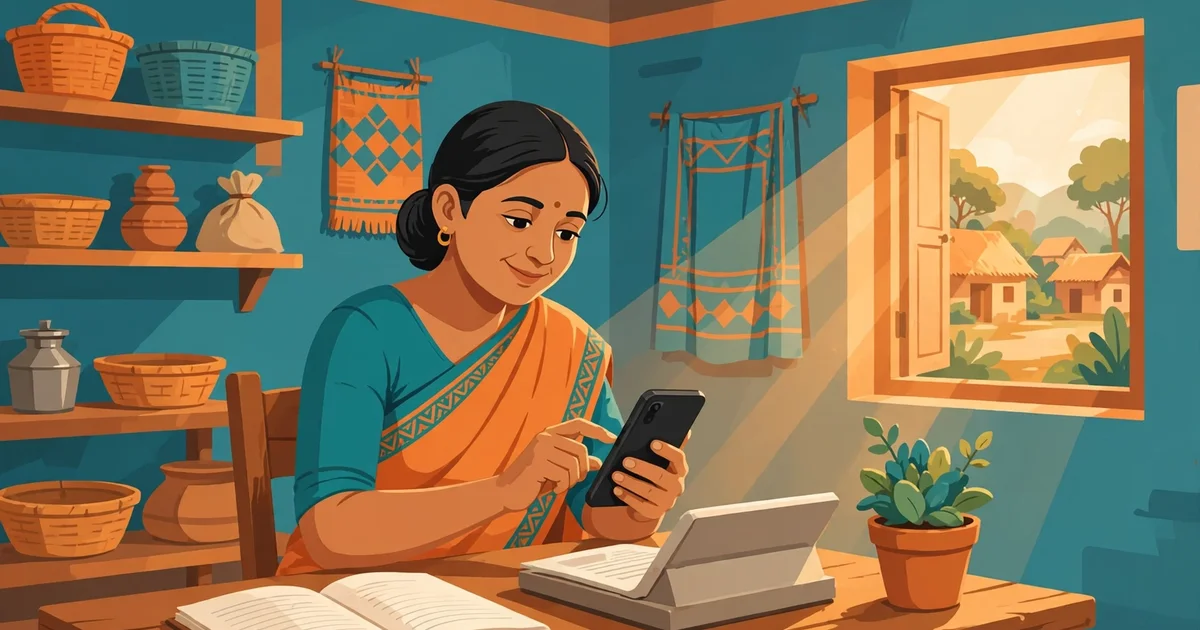
Same flow, with attention to the fortnight’s themes — map each event to maternal-child nutrition, early stimulation, play-based learning, screen-time awareness, or strengthening the centre.
- Enter daily: block 15 minutes every evening rather than building a backlog.
- Photograph attendance registers to back up participant counts.
- Note convergence partners — ASHA/ANM/SHG co-conducted events are a separately watched indicator.
- Confirm the entry deadline with your supervisor in week one (often 1–3 days after 23rd April).
Read the official announcement — dates, theme, focus areas — in this PIB press release on Poshan Pakhwada 2026. The bottom line: same app, same steps — but daily discipline during the 15-day sprint.
Poshan Maah vs Poshan Pakhwada: Entry Differences
| Aspect | Poshan Maah (September) | Poshan Pakhwada (March–April) |
|---|---|---|
| Duration | Full month | 15 days (9–23 April 2026) |
| 2026 theme | “Hamari Anganwadi, Hamari Jimmedari” | “Maximizing Brain Development in the First Six Years” |
| Entry rhythm | 2–3 entries per week | Daily entries recommended |
| Special focus | Hot cooked meals, SNP menu boards | Early stimulation, play-based learning, less screen time |
👉 Key takeaway: Maah is a marathon paced across September; Pakhwada is a 15-day sprint needing daily entry discipline.
Common Entry Mistakes to Avoid
- Wrong dates — entering the feeding date instead of the event date. Keep a pocket diary.
- Wrong module — CBE under VHSND or vice versa. Learn the difference once.
- Guessed participant counts — count from the attendance sheet, not memory.
- Duplicate entries after a sync delay — check your activity list before re-entering.
- Month-end backlog — details blur; enter same-day or next-day.
- Skipping “small” activities — a 10-family home-visit round counts too.
The bottom line: right date, right module, real counts, no delays, no skips.
How Supervisors Verify Your Entries
Supervisors (Mukhya Sevikas) and CDPOs (Child Development Project Officers) check completeness (activities across the whole period, not just the last week), consistency (counts matching beneficiary strength), theme alignment with the year’s focus areas, and may cross-check with mothers during field visits whether claimed events happened.
Honest, prompt entries protect you — a clean digital trail matches what the community confirms. Never enter an event that didn’t happen. The bottom line: enter truthfully; the dashboard and the community will back you up.
Deadlines and Reporting Rhythms
Confirm three dates with your supervisor before each campaign: the activity deadline (last date events can run), the entry deadline (last date entries are accepted — often 1–3 days later), and the verification window (when supervisors review and may return entries for correction). Mark all three on your wall calendar on day one — late Poshan Pakhwada Entry records typically don’t count. The bottom line: three dates on the wall on day one.
What If You Missed a Poshan Pakhwada Entry?
If the window is still open, enter immediately with the true event date and an honest participant count from your diary — not a guess. If the window has closed, inform your supervisor in writing explaining what was missed and why; genuine cases can sometimes be reopened.
Never fabricate an entry — a missed entry with an honest explanation beats a fake one discovered later, every time. The bottom line: honest late entry beats a perfect-looking fake.
FAQs
Where do I enter Poshan Maah activities?
In the Poshan Tracker app — VHSND module (date + participant count), CBE module (dates + themes), or the Jan Andolan section for awareness drives.
When was Poshan Pakhwada 2026 held?
9th to 23rd April 2026, themed “Maximizing Brain Development in the First Six Years of Life.”
How many Community Based Events are required monthly?
Two per month as routine — campaign events during Maah and Pakhwada are additional, each with its own entry.
What if the app doesn’t sync my entries?
Don’t clear app data or uninstall. Connect to stable internet and wait for the pending-sync indicator to clear; escalate to your supervisor if stuck.
Can I correct an entry after saving?
Usually yes, before supervisor verification — check with your supervisor promptly, as options vary by state and app version.
Conclusion
Poshan Pakhwada Entry is straightforward once habitual: right module, true date, honest counts or themes, saved the same day, synced before the deadline. Whether it’s the September Maah marathon or the April Pakhwada sprint, your entries turn community effort into official record.
Prepare before the campaign (updated app, tested login), enter daily during it, and confirm the three key dates with your supervisor on day one.